
Students research their family history, beginning with the question: "I am here now, how did I arrive in this particular place?" Students interview family members.
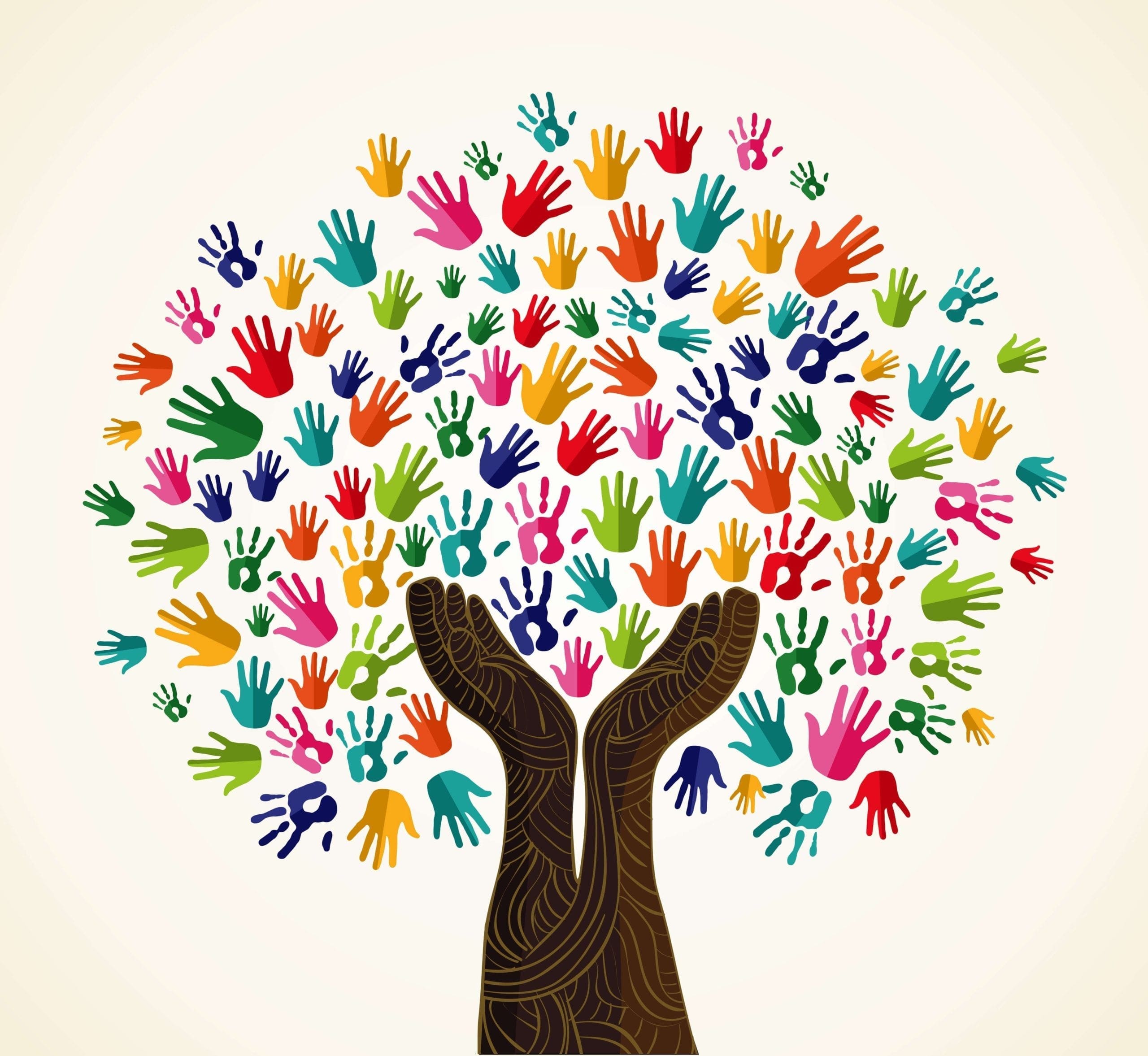
Students research their family history, beginning with the question: "I am here now, how did I arrive in this particular place?" Students interview family members.
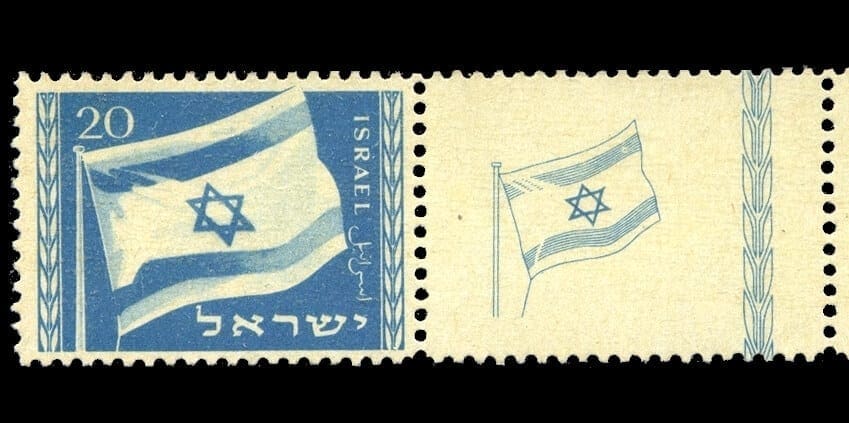
In this web-enhanced lesson, students explore the significance of November 29th in modern Jewish History. Students examine online resources to examine the events that led to the historic UN decision of November 29, 1947. Click here.
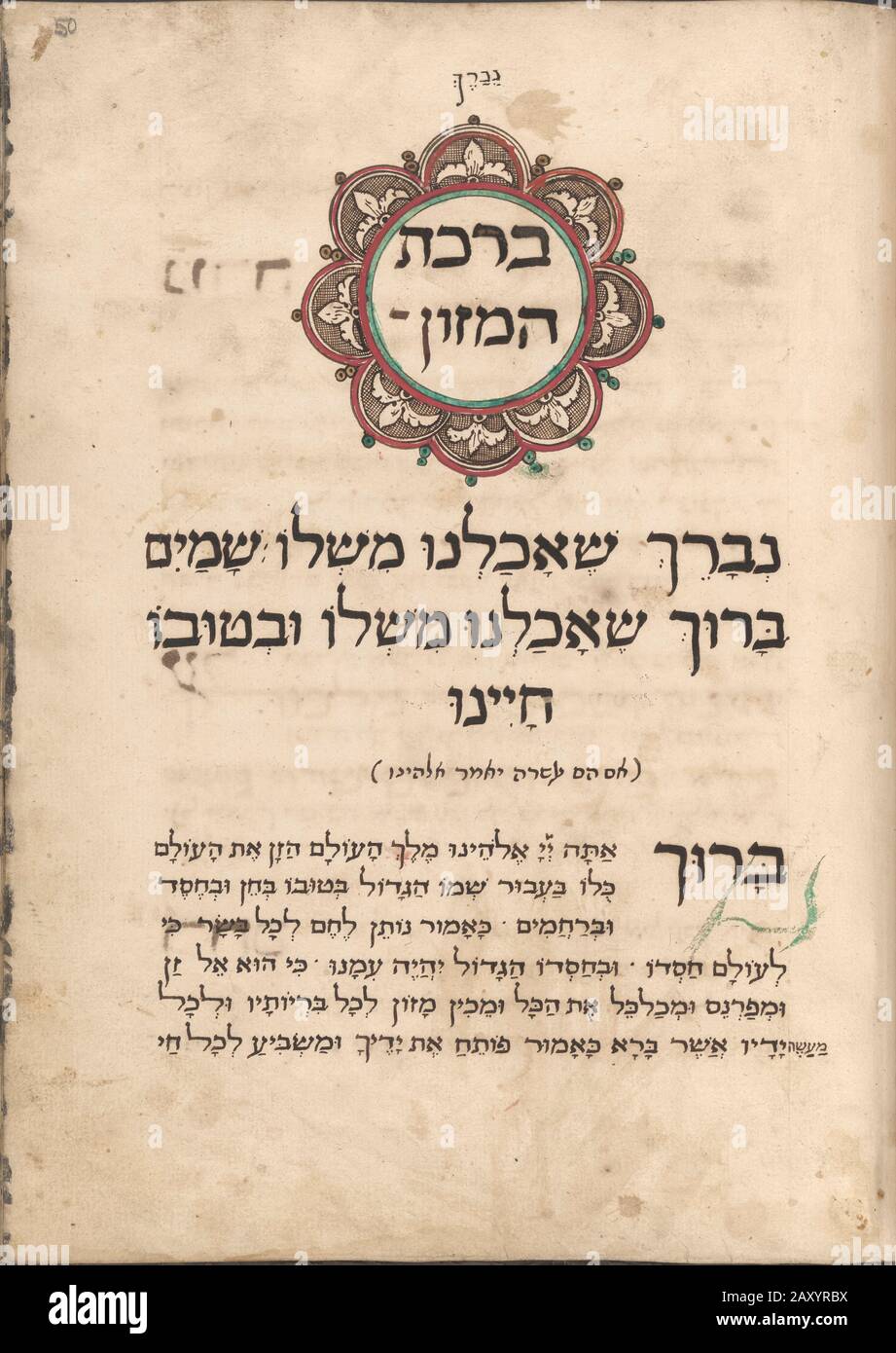
In this lesson, students will analyze Birkat HaMazon as a prayer and then as a blessing.
In this lesson, students will examine Birkat Hamazon as an inspiration for caring for the environment. Students will will study sources pertaining to Judaism’s approach to environmental ethics.
In this lesson, students will learn about the Temple and the role that Birkat Hamazon plays in mourning and coping with its loss.
In this lesson, students will explore the idea that God the provider of all things, including food. Birkat HaMazon will be seen as a means of showing gratitude for the food that God has provided.
In this lesson, students will study Judaism’s sanctification of day-to-day material objects and actions, specifically the sanctification of eating that is reflected in Birkat HaMazon.
This lesson is a continuation of Birkat HaMazon lesson 2.
In hevrutah, students read the text of Birkat HaMazon and determine the main themes of the prayer.
This lesson introduces students to the unit and encourages them to consider the purpose of Birkat HaMazon. They will then compose their own version of the prayer.